
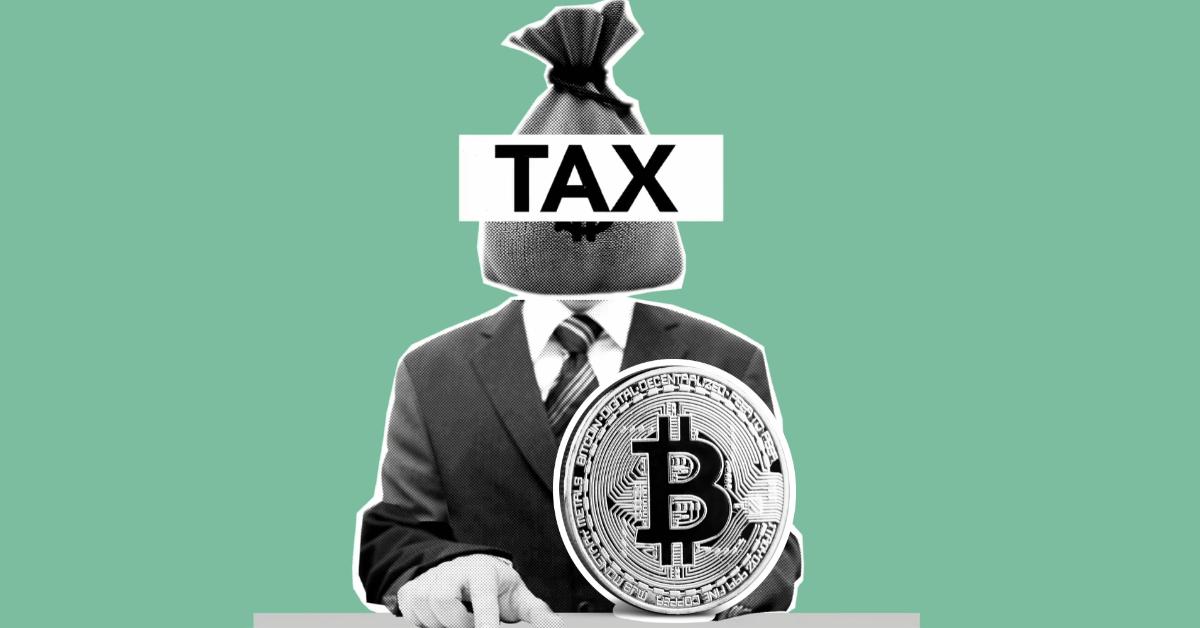
Recently the sentencing of Bitcoin investor Frank Richard Ahlgren III has sparked a critical conversation about the importance of reporting cryptocurrency gains honestly. Ahlgren, who failed to accurately report $4 million in Bitcoin sales between 2017 and 2019, was sentenced to two years in prison and ordered to pay over $1 million in restitution. His case serves as a stark warning for crypto investors about the serious consequences of tax evasion.
While many are rooting for the Trump administration to streamline tax policies, this case is a stark reminder for investors who think crypto assets are an easy way to dodge taxes.
What Went Wrong?
Ahlgren, an early Bitcoin adopter, made substantial profits by selling 640 bitcoins in 2017 for $3.7 million and additional sales in subsequent years. However, instead of reporting these earnings accurately, he inflated the purchase price of his bitcoins (cost basis) to understate his taxable gains. To avoid detection, he used multiple wallets and even exchanged Bitcoin for cash in person, aiming to reduce his digital trace. Despite these efforts, blockchain’s inherent transparency enabled investigators to track his activities.
IRS’s Stance on Crypto Tax Evasion
Taking the case as a serious crypto tax compliance issue Stuart M. Goldberg, Acting Deputy Assistant Attorney General highlighted that Ahlgren deliberately hid over $1 million in taxable earnings. Whereas, Lucy Tan Acting Special Agent in Charge of IRS-Criminal Investigation emphasized this as the first criminal tax evasion case centered on cryptocurrency, proving crypto transactions are traceable and tax evasion won’t go unpunished.
Red Flag Tax Defaulters
In response to the recent incident, Shehan, a crypto tax expert, shared an important cautionary tale on his X about the risks of hiding cryptocurrency gains from the IRS.
Shehan emphasized that cryptocurrency transactions are taxable, and the IRS treats tax defaulters in this sector very seriously. He noted that blockchain’s transparency makes crypto one of the worst asset classes to evade taxes since all transactions are permanently recorded and traceable. To avoid legal troubles, he stressed that crypto gains are taxable and advised investors to use tools like crypto tax software or consult with a CPA to ensure accurate reporting.
His key takeaway is to be honest, as attempting to hide gains can lead to severe consequences, including prison time and hefty financial penalties.
Earn more PRC tokens by sharing this post. Copy and paste the URL below and share to friends, when they click and visit Parrot Coin website you earn: https://parrotcoin.net0
PRC Comment Policy
Your comments MUST BE constructive with vivid and clear suggestion relating to the post.
Your comments MUST NOT be less than 5 words.
Do NOT in any way copy/duplicate or transmit another members comment and paste to earn. Members who indulge themselves copying and duplicating comments, their earnings would be wiped out totally as a warning and Account deactivated if the user continue the act.
Parrot Coin does not pay for exclamatory comments Such as hahaha, nice one, wow, congrats, lmao, lol, etc are strictly forbidden and disallowed. Kindly adhere to this rule.
Constructive REPLY to comments is allowed